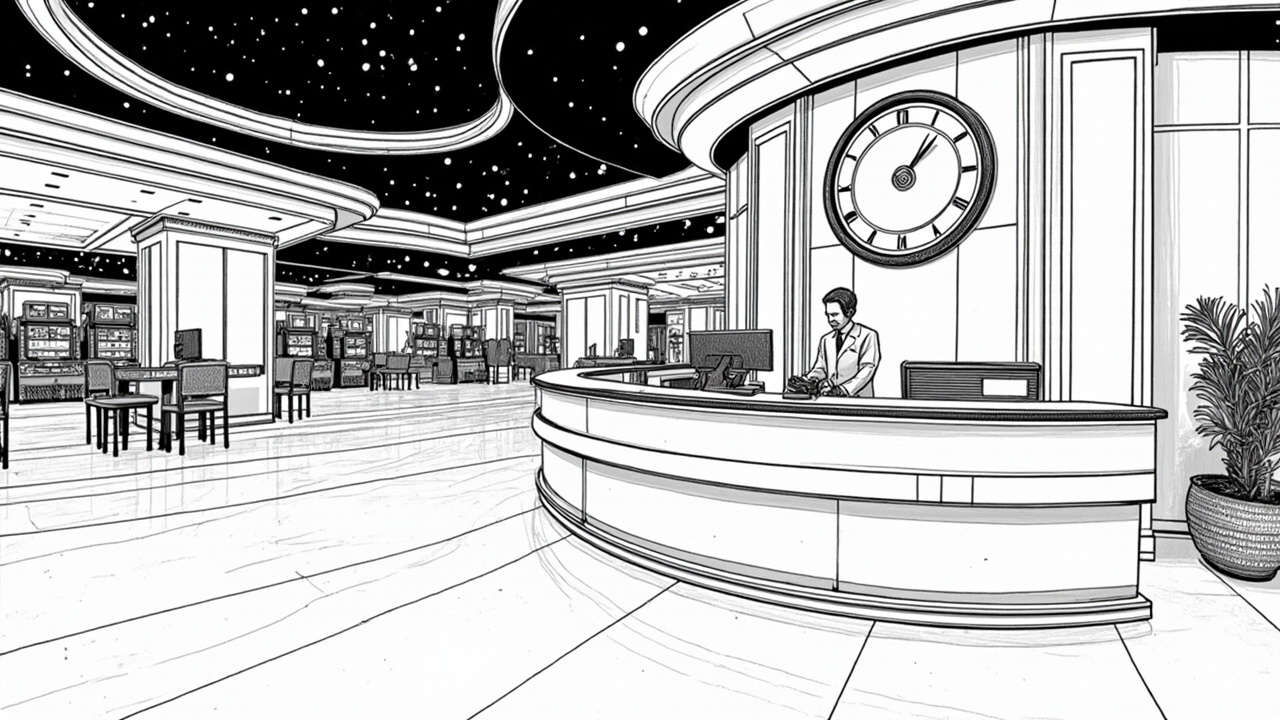
How the Cashier Reads Casino Responsible Gambling Signs of Problem Behaviour
The Friday arvo shift at a Melbourne casino can run busy as Chapel Street peak hour, and the cashier queue is where I learned to read people before they reach a felt table. As a long-time table-games operator in this city, I reckon the front window catches casino responsible gambling signs of problem behaviour well before any dealer does. Whether the patron is standing at a Southbank cage or banking at an offshore platform like https://spinagoonlinepokies.com, the deposit slip and the withdrawal hesitation tell the same story.
The Weekend Regular Whose Deposit Frequency Climbs

Picture a regular you’ve seen every Saturday for two years. The bloke who always banks $200 cash, plays baccarat for an hour, cashes out $150, and heads home. Then one week he comes in Tuesday with a $50 deposit. By Wednesday he’s back for another $80. Thursday: $120. Friday: $200. Saturday’s usual $200 still happens.
The pattern that worries me isn’t the total amount – it’s the rhythm. Responsible gambling signage in any Melbourne venue lists behavioural indicators, and frequency is right at gtownview.com the top. A patron splitting deposits to stay under a self-imposed cap shows the same tell a card counter shows when they vary bet sizing: they think it hides the pattern, but it actually highlights it.
A trained cashier flags this through the venue’s responsible gambling register. The interaction stays neutral – no fuss, no lecture. They offer the pre-commitment review, the deposit limit adjustment, and a cooling-off conversation. The flow is identical to a chip count at the end of a shift: if the numbers don’t add up, you escalate politely. A two-minute cashier intervention saves a four-hour escalation later from the floor.
The Online Player Chasing Withdrawals Into Re-Deposit
The online cashier shows a different fingerprint but the same disease. A punter wins $1,400 on a Friday night, requests a withdrawal through their usual AUD bank transfer, receives the confirmation email – then cancels the payout at 2am Saturday and plays through the balance. By Sunday arvo it is gone, plus another $600 deposited via a different e-wallet.
From a cashier workflow perspective, that withdrawal-cancel-and-redeposit sequence is the digital equivalent of a Melbourne patron returning to the baccarat pit fifteen minutes after cashing out at the cage. The withdrawal infrastructure exists for a reason; reversing it inside the cooling-off window is one of the clearer casino responsible gambling signs of problem play any payment system can surface.
Operators with proper responsible gambling tooling will trigger a staff review when a withdrawal is cancelled and funds return to the playing balance. The system logs it against the patron’s account. A responsible service officer reaches out within 24 hours. The flow is not punitive – it is the same principle as a pit boss asking a guest if they would like a meal break. Guest service and compliance are not in conflict here: one protects the patron, the other protects the licence.
The High-Roller Who Quietly Crosses Their Own Limits
A third fit comes from the high-limit room rather than the main floor. Set a $5,000 weekly deposit limit on Monday. By Wednesday the cashier is fielding polite requests to “just do it as a one-off”. By Friday, deposits are appearing from a second payment method – a new credit card the venue did not know the patron held. Saturday brings a third.
This is the compliance headache every table-games operator I know in Melbourne handles with the same muscle memory. The system says no. The cashier says no. The shift manager is on standby. It is no different from refusing to fill a credit marker that has not been signed: the rule exists, the rule holds, the patron may not like it, but the licence depends on the consistency.
From a labour efficiency angle, the venue that gets this right runs a tighter floor. Staff are not improvising decisions case by case. They are executing a documented responsible gambling procedure, the same way they execute a fill or credit transaction. That procedural discipline is what separates a venue that survives an audit from one that does not, and it means the cashier’s six-second decision tree is drilled into muscle memory before the patron ever reaches the window.
Reading the Cashier Window: A Procedural Walkthrough
Here is the responsible gambling interaction a Melbourne cashier walks a patron through – same five steps for flagging concern or taking a routine limit request. Promotional flows like no deposit roulette offers still feed the same cashier log, since any bonus conversion requires a real-money deposit, and once that clears, responsible gambling tooling starts tracking.
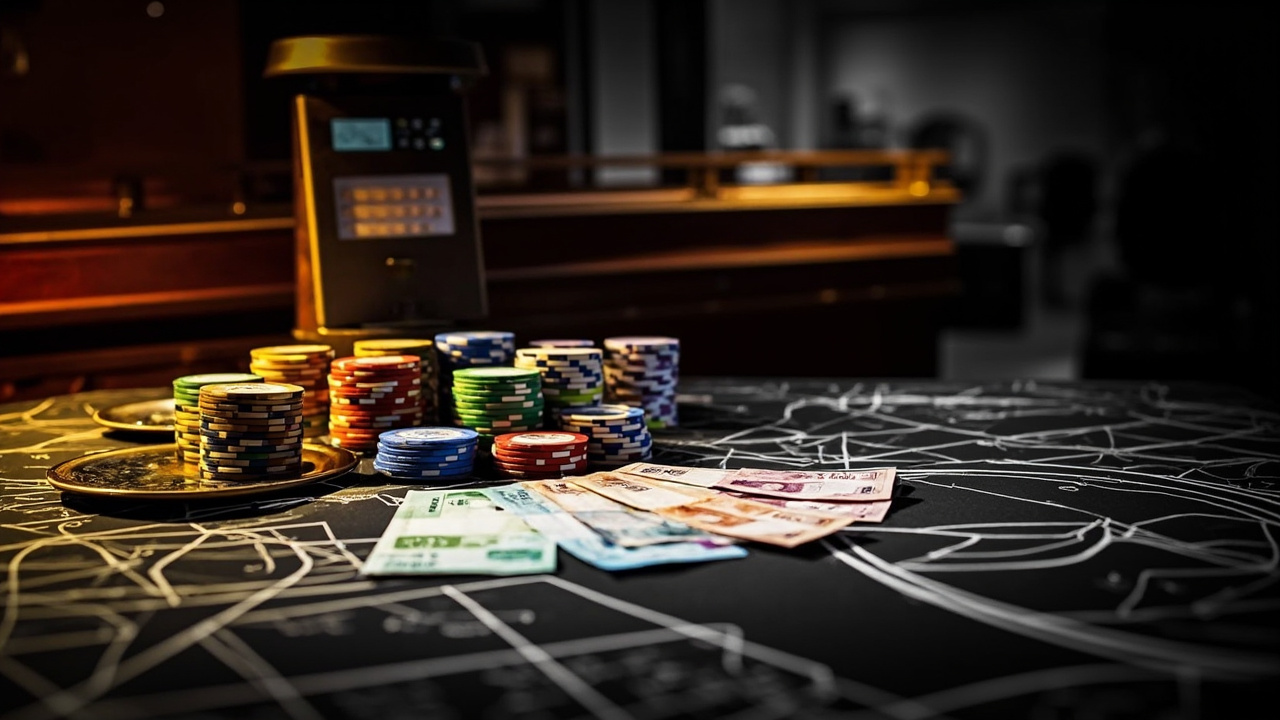
- The cashier reviews the patron’s deposit history on the POS terminal – frequency, amounts, and any withdrawal reversals across the last 30 days.
- The conversation moves to a private section of the window, framed around the venue’s responsible gambling signage rather than the patron’s character.
- The patron is offered deposit limits, time-out periods, or full self-exclusion.
- The cashier logs the interaction in the responsible gambling register and closes the transaction.
- A responsible service officer follows up within 24 to 72 hours, and the cashier’s escalation role ends there.
Like chip handling on a baccarat shift, this flow is defined, repeatable, audited. The cashier executes the documented process – diagnose and counsel are not the role. Compliance teams I have worked with run it like a dealing procedure: muscle memory beats improvisation, and the licence stays intact.
Casino responsible gambling signs of problem play almost always surface at the cashier window first – frequency shifts, cancelled withdrawals, ignored limits. The operator’s job is not to moralise, not to chase the patron off the floor, and not to fudge a deposit past a self-set cap. It is to run the documented process, log the interaction, and hand the escalation to a responsible service officer. That is the discipline the licence requires, and the discipline the patron ultimately benefits from.